The Pulse of the Pitch: Optimising Estadio Azteca with SubAir
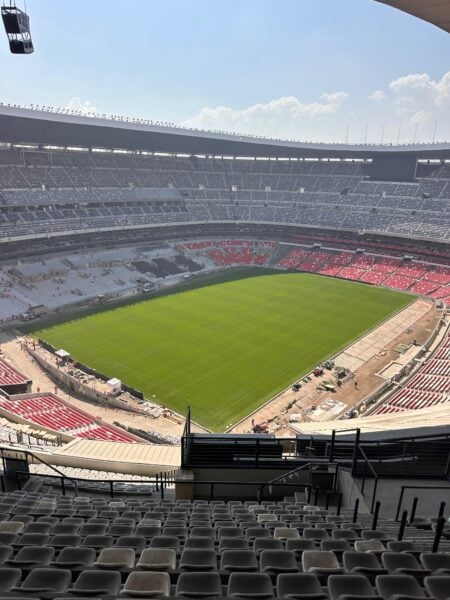
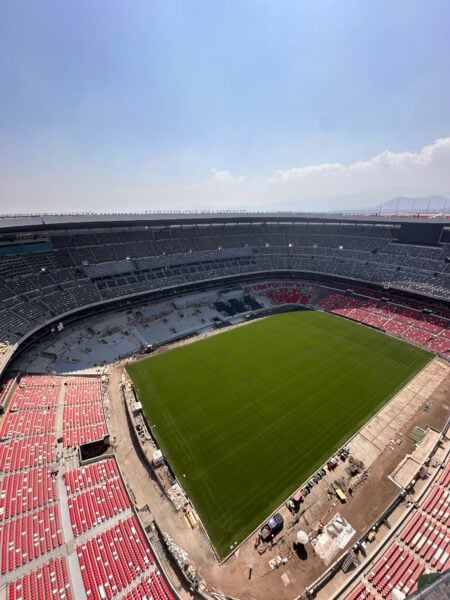
At over 2,200 metres above sea level, Estadio Azteca presents a unique challenge for modern turf management. Intense sunlight, cooler evenings, heavy usage and global expectation demand more than traditional maintenance practices. They demand precision, control and an informed understanding of the environment beneath the pitch.
For the grounds team at Azteca, the objective was clear: create a resilient, consistent surface capable of performing under the pressures of elite football. Because long before turf stress becomes visible, the conditions below ground have already begun to change.
Beneath the Pitch
Within every sports turf profile, air space plays a critical role. The voids between soil particles hold the oxygen required for aerobic respiration in the rootzone. When heavy rain fall, compaction or moisture saturation displace that oxygen, root health begins to decline. The result can be weaker rooting, reduced recovery and inconsistent surface stability.
For grounds professionals, monitoring oxygen provides valuable insight into the hidden environmental conditions shaping turf performance. SubAir system allows those conditions to be actively managed. Through integrated pressure and vacuum modes, the system can introduce fresh air directly into the rootzone, restoring oxygen availability and supporting deeper, stronger root development.
The benefits extend beyond turf health alone. For players, this means greater surface stability, improved traction and more consistent footing throughout the match. For grounds teams, it means greater control over environmental conditions before visible decline occurs.
Monitoring Temperature, Managing Performance
At Estadio Azteca, soil temperature is equally important. High daytime temperatures followed by cooler nights create a demanding environment for turfgrass metabolism. Different grass species perform within specific thermal windows, and understanding these fluctuations enables more informed agronomic decision-making.
Temperature monitoring supports everything from nutrient timing and recovery planning to disease prevention. Many turf pathogens thrive within predictable temperature and moisture ranges, making early environmental insight increasingly valuable within elite sport.
This is where data-driven management is reshaping sports turf. Rather than reacting to symptoms on the surface, grounds teams are increasingly using environmental data to understand the conditions driving performance below it.
“What SubAir has given us is a far clearer understanding of how the pitch is behaving below the surface. We’re no longer relying solely on visual assessment or reacting once stress appears in the turf. We can now make decisions based on real environmental conditions within the rootzone which gives us far greater control over surface consistency and recovery throughout the season.”
Adrian Bau, Pitch Manager at Azteca Stadium.
Engineering the Rootzone Environment
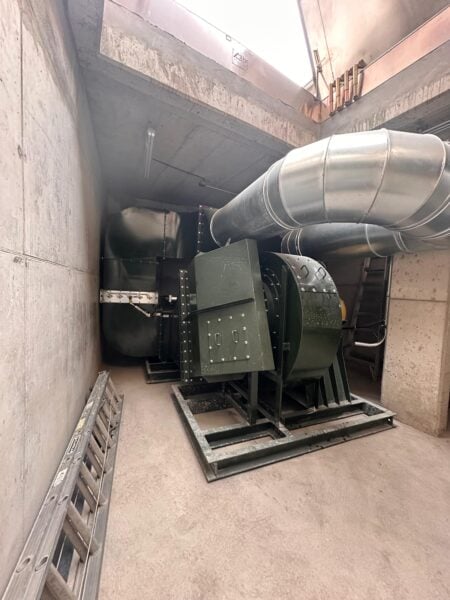
SubAir does not simply monitor the subterranean environment – it enables grounds professionals to influence it. Using underground pipework and powerful blowers, SubAir can manipulate airflow, moisture movement and temperature within the rootzone profile.
During periods of heat stress, hot air can be removed from the profile or cooler ambient air circulated through the soil. Following heavy rainfall, vacuum mode rapidly extracts excess moisture, helping prevent the profile becoming a thermal sink and allowing temperature control to be regained faster than natural drainage alone.
The result is a more consistent, stable and resilient playing surface throughout the season. For players, a pitch that performs predictably from kick-off to the final whistle. For grounds teams, greater confidence in decision-making.
At Estadio Azteca, SubAir forms part of a wider shift towards data-informed pitch management – where the most effective technologies remain largely invisible, but their impact is evident in every phase of play.
In elite football, performance begins below the surface.
Read more with Grounds for Sport World Cup 2026 Special Edition.