
Soil oxygen: The “Truth Metric”
Most turf professionals aerate based on the calendar or “feel.” Soil Scout allows you to aerate based on Real-Time Biological Demand.
The Data: A Typical Aeration Event
Below is a representation of what your Soil Scout Dashboard reveals during a standard maintenance window.
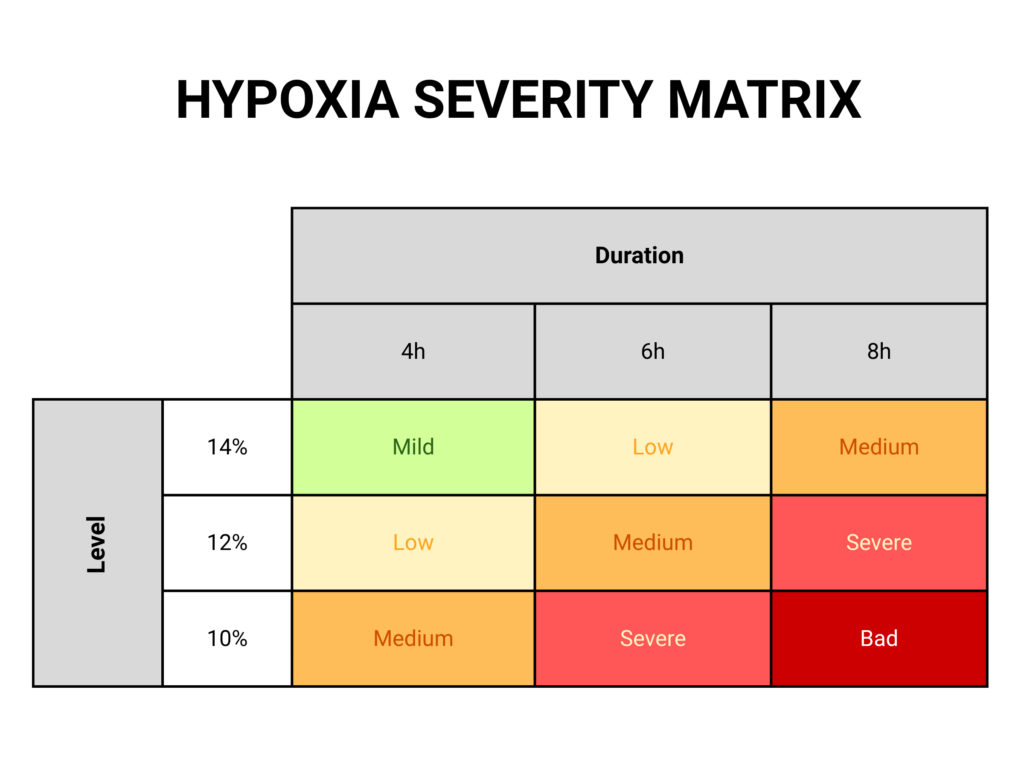
Why this Graph Matters to You:
1. Prove the “Why” to Your Members
Aeration is disruptive and often unpopular with players. When you can show a graph of oxygen levels dropping into the “Danger Zone” (below 10%), you have the scientific evidence to prove that the work isn’t just routine—it’s
life-saving surgery for the greens.
2. Optimise Your Timing
Why punch holes if your O2 levels are at 15%? Save your staff hours, reduce surface disruption, and wait until the data shows a genuine decline in gas exchange. Soil Scout tells you exactly when the “window” is open.
3. Monitor Drainage Efficiency
If your oxygen levels don’t recover quickly after a heavy rain event, your drainage is failing. Soil Scout identifies subsurface issues weeks before they manifest as yellowing turf or disease.
The Dangers of Poor O2 Management
When oxygen levels fall into the Medium, Severe, or Bad zones of your matrix, the following physiological and environmental degradations occur:
1. Root System Collapse
Weak/Shallow Rooting: In low-oxygen environments, roots cannot perform the aerobic respiration required for growth. This leads to stunted, “lazy” root systems that stay near the surface to seek air, limiting the plant’s ability to anchor itself and access nutrients.
Root Tip Death: The sensitive growing tips are the first to die off, halting all further development.
2. Anaerobic Soil Conditions
Fermentation: Without oxygen, soil microbes switch to anaerobic respiration (fermentation). This produces toxic by products like ethanol, hydrogen sulfide (rotten egg smell), and methane.
pH Volatility: Anaerobic activity often leads to rapid swings in root-zone pH, further locking out essential nutrients even if they are present in the medium.
3. Increased Susceptibility to Disease
Opportunistic Pathogens: Pythium (root rot), Phytophthora, and Fusarium thrive in low-oxygen, waterlogged environments.
Loss of Immunity: A hypoxic plant is a stressed plant. Its natural defence mechanisms weaken, making it an easy target for pests and fungal infections that a healthy plant would otherwise resist.
4. Nutrient Uptake Inhibition
Active Transport Failure: Many plants require energy (ATP) to “pull” nutrients like Nitrogen and Potassium into the roots. Since ATP production requires oxygen, hypoxia causes an immediate nutrient lockout, regardless of your feeding schedule.
The Result: Better Turf, Lower Costs
Fungicide Reduction: Aerobic soils naturally suppress many common pathogens.
Fertiliser Efficiency: Plants can only process nutrients efficiently in oxygen-rich environments.
Water Savings: Oxygen monitoring helps you identify the “Deep Soak” requirements versus surface cooling.